
Nissan Unveils AI-Enhanced ProPILOT Before FY27 Launch!
Nissan Unveils AI-Enhanced ProPILOT Before FY27 Launch!
Posted on December 24, 2025
Nissan is driving into the future of intelligent mobility with its most advanced driver-assist innovation yet, the AI-enhanced ProPILOT system. Scheduled for its first launch in Japan by fiscal year 2027, this next-generation system combines artificial intelligence, next-generation LiDAR, and Nissan’s Ground Truth Perception technology. The result? A smarter, safer, and more human-like driving experience that’s redefining what assistance technology can do. Here are some tips to help you understand what makes this breakthrough system such a big leap forward.
1. Understand How AI Mimics Human Driving
At the heart of Nissan’s new ProPILOT is Wayve’s AI Driver software, a form of embodied artificial intelligence designed to think like a human driver. Rather than reacting to single objects, the system interprets entire driving scenes. It learns how environments change, anticipates what might happen next, and adjusts smoothly in real time. This gives the vehicle the ability to navigate complex city conditions with the intuition of an experienced human driver, safely, confidently, and naturally.
2. Know What’s Behind the Ground Truth Perception
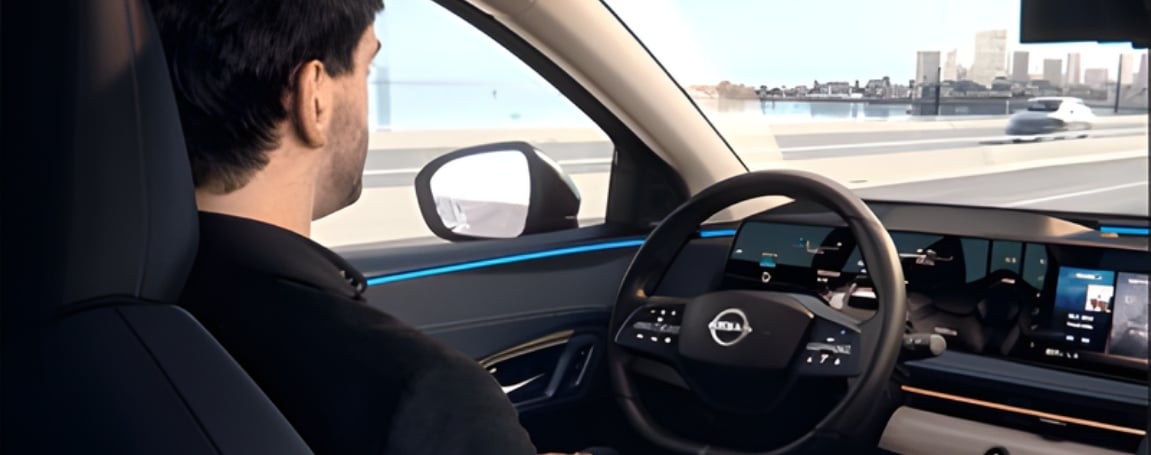
Nissan’s Ground Truth Perception technology works with a powerful LiDAR sensor mounted on the roof to provide a 360° view of the vehicle’s surroundings. While traditional camera-based systems can struggle in low light or poor weather, LiDAR accurately detects distant objects, even at night. This is especially important for Canadian drivers dealing with dark winter commutes or snow-covered roads. Combined with radar and cameras, the system gives the ProPILOT its ability to “see” beyond what the driver can, a vital step toward safer automation.
3. Learn the Difference from Current ProPILOT Systems
Nissan’s current ProPILOT systems, including ProPILOT Assist and ProPILOT 2.0, are already known for helping drivers with highway steering, braking, and lane-keeping. The next-generation ProPILOT takes that foundation and expands it to urban environments. It’s capable of managing traffic lights, pedestrians, and intersections, areas where earlier versions were not active. This means Nissan’s new technology isn’t just for highway commutes anymore; it’s being designed to handle the unpredictable challenges of downtown driving too.
4. Appreciate the Technology Suite Working in Sync
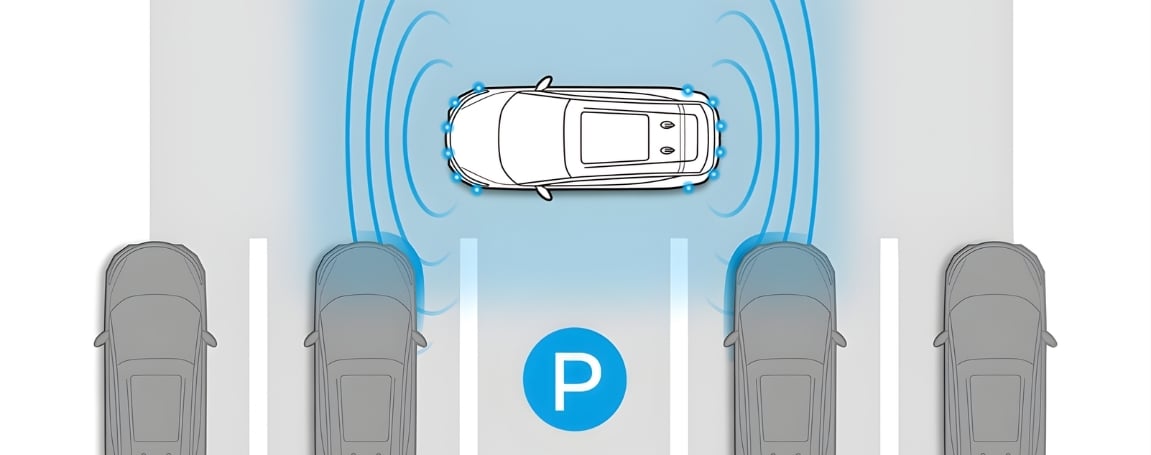
The prototype Nissan Ariya models that demonstrated this new system in Tokyo were equipped with an advanced sensor array: 11 cameras, 5 radar sensors, and 1 next-generation LiDAR sensor. These components feed data to the AI Driver software, which processes it instantly to make complex driving decisions. Think of it as a digital co-pilot, one that never gets distracted, never fatigues, and always keeps a constant watch on the environment around you.
5. See How It Builds Confidence and Safety
According to Nissan’s Chief Technology Officer, Eiichi Akashi, the goal of the next-gen ProPILOT is to provide “the feeling that a skilled human driver is behind the wheel.” This approach puts an emphasis on driver confidence and peace of mind. By processing data in real time and predicting movements from other vehicles and pedestrians, the system adds another layer of reassurance, not just for the person driving, but for everyone on the road. It’s this “human touch” in AI that makes the system unique among driver-assist technologies.
6. Keep in Mind: It’s Still a Driver-Assist System
Although the new ProPILOT system represents a leap forward, it’s still classified as an SAE Level 2 autonomous driving system. This means a driver must always remain in control, seated, alert, and ready to take over at any time. It’s designed to enhance safety and comfort, not replace the driver. In this sense, it acts as an intelligent assistant, not a replacement pilot. For Canadian drivers who face unpredictable conditions like icy roads or busy intersections, this partnership between human and machine could redefine safety and convenience behind the wheel.
7. Look Ahead to What It Means for Future Nissan Models
While the initial rollout will take place in Japan, this new technology is part of Nissan’s global strategy toward cleaner, safer, and smarter mobility. Its integration into production vehicles is expected to influence future models beyond Japan, including potential adoption in Canada down the road. For Ottawa drivers, that could mean seeing advanced AI-powered Nissan vehicles in showrooms like in the coming years. From electric SUVs like the Ariya to future sedans and crossovers, the evolution of Nissan’s driver-assist systems is shaping the next era of intelligent mobility.
Connected Innovation: Ottawa’s Gateway to Smarter Driving
As the automotive world moves closer to intelligent automation, Nissan is positioning itself at the forefront with the AI-enhanced ProPILOT system. The fusion of embodied AI, next-generation LiDAR, and human-like adaptability signals a new chapter for driver assistance technology, one that blends precision with intuition. For drivers in Ottawa, ON, innovations like this hint at a smarter, safer, and more confident future behind the wheel. Stay connected with Myers Ottawa Nissan to explore upcoming advancements and be among the first to experience Nissan’s evolving lineup as these technologies make their way into Canadian roads.